5 ways Dynamic Content can improve your user experience
5 ways Dynamic Content can improve your user experience
Dynamic content (also known as adaptive content) is digital content that changes based on the behavior, preferences, and interests of the user. It is used in websites, applications, and e-mail and is generated in the moment a user requests a page. Dynamic content is personalized and adapts based on the data you have about the user and its goal is to deliver an engaging and satisfying online experience that benefits both customer and company.
Dynamic content is generally powered by applications and scripts and work in hand with static and unchanged content. Standard web pages contain HTML code that determines the structure and content of the page and show static and unchanged content. The only way for an HTML page to change is if a web developer updates the content and publishes the new files. Dynamic web pages contain PHP, ASP and JSP code and are connected to a server-side database that allows the page to show personalized content each time it’s loaded.
TIP: You can usually tell if a page is static or dynamic looking at the page’s file extension in the URL. If it’s “.htm” or “.html”, the page is probably static; if the extension is “.php”, “.asp” or “.jsp” the page is probably dynamic.
Dynamic content improves the user experience by making the interaction more relevant and intuitive. Many of the techniques work by reducing the amount of unnecessary and redundant information, therefore eliminating friction, or by presenting users with the logical next step in their customer lifecycle or discovery process, again reducing friction.
Here are five ways dynamic content can be used to improve user experience:
1. Personalize recommendations
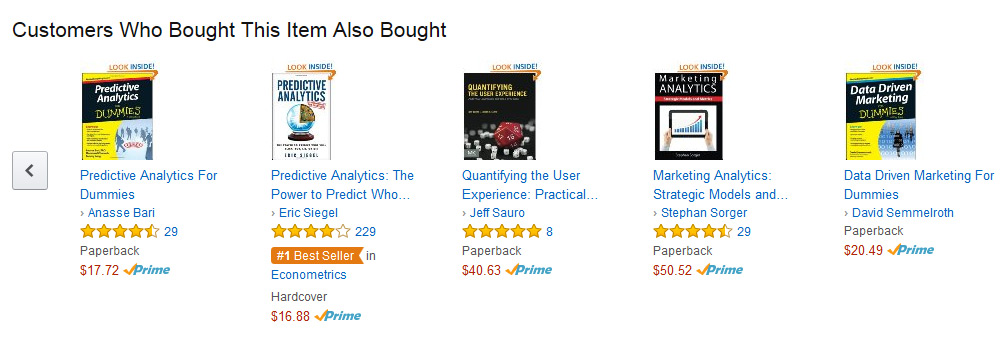
Recommender systems are not limited to e-commerce sites. If your website sells or features a lot of any product or service, your business can benefit from implementing a recommender system. For example, content portals (like Amazon), dating platforms, and travel sites all use dynamic content to improve recommendations. The most widely used and most advanced general recommendation method is called “collaborative filtering”, which, is basically an algorithm that tries to capture preference or taste information on many users by collecting and analyzing behavioral information on them. You have probably seen it at Amazon or Netflix as “Others who viewed this, also viewed…” recommendations. The benefit to the user is that the recommendation represents an actual habit and preference from other users and are not displaying arbitrary or random content.
2. Personalize emails
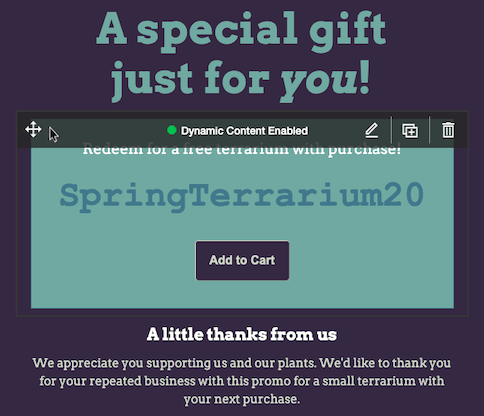
Dynamic content allows emails to be personalized well beyond the basic email’s salutation. It can be used for prospect and client communications, in a monthly newsletter, webinar blast, or other marketing-related email. For example, a newsletter can display upcoming events based on the recipient’s location, or a webinar email sent to a list of prospects can differentiate between beginner, intermediate, and advanced topics based on the users score or interests. Tools like Mailchimp enable email content blocks to include dynamic content, so you can get as creative as you want with you what want to show or how you want to communicate your message to different recipients.
3. Help loyal customers skip unnecessary steps
Many B2B companies offer content that is dependent on a form in order to generate leads and guide the user experience. While this is an efficient way to capture user data and get new leads, it also creates unnecessary and redundant steps for customers who may be interested in the content but have already filled out your forms on a number of occasions. Instead of having a returning customer fill out a form again or repopulate their data from smart browsers, using smart or dynamic content can enable you to recognize a visitor as a loyal customer, and give them the call-to-action that minimizes their effort and lets them bypass the unnecessary form entirely.
4. Adapt to reflect different personas
Most companies serve a number of different personas with a variety of products or services and while it may be difficult to tailor to every different user you touch, dynamic content can help you create a highly customized experience for your 3-5 main user personas. Your effort should be targeted to the different personas that have the best success and that who’s journey fits with the interaction you are creating. Use dynamic content to set a default for unknown target users and other sets of content to reflect the interests of your top personas.

5. Improve site search
Advances in search technologies have had a huge impact on how we interact with digital interfaces and allowed for the increase use of complex search algorithms in different types of websites. Search is now a prominent element of navigation, and as an effect, the quality of your user experience and their ability to search has a huge impact on your conversion rates. Dynamic content has the potential to optimize your site search by employing autocomplete, autocorrect features, and adopting user behavioral information to include in predictive search. For example, if you sell a finite number of goods, recommending products or categories directly to search terms can make the discovery process more efficient and tailored to the user experience you have designed, rather than forcing the user to browse through the listing page and go through several other item pages as well.

Conclusion
There are many tools and practices you can use to implement dynamic content to improve the user experience and ultimately increasing conversions. The proliferation of dynamic content and personalization technologies is an online trend that will only continue to grow in the next years and we can expect to see new tools increase its use and sophistication. It’s important to start understanding, adopting and investing in dynamic content ASAP, crafting intuitive user experiences that increase satisfaction and impact the bottom line.
Follow My Blog
Get new content delivered directly to your inbox.
Did you like this Blog? Follow it by subscribing below
Get new content delivered directly to your inbox.
You are following this blog (manage).
About me

Business Consultant | Digital Strategy | Technology Management degree at Georgetown University
Currently deepening my technical skills and experience through a master’s degree in Technology Management at Georgetown University, bringing together digital knowledge that mixed with a business outlook will enable me to transform organizations in a continuously evolving landscape.
 Santiago's TechBlog