Blog #3
Hooked – How to build habit forming products
How to design a digital product that ‘hook’s’ your user but doesn’t harm them?
Nir Eyal’s book ‘Hooked – How to build habit-forming products’ is a must read for anyone working with digital Product Management or Design, and also anyone who is concerned about their own use or societies use of technology.
“Hooked gives you the blueprint for the next generation of products. Read Hooked or the company that replaces you will.”
Matt Mullenweg, Cofounder of WordPress
Technology is changing people’s behavior and with the proliferation of smartphones consumers have seen products moving quicker than ever from games or features built in some application, to fully fleshed-out billion-dollar companies (think of TikTok, Instagram, or Pinterest). This book is about learning the tools that allow you to fundamentally change users behaviors quickly by creating new HABITS.
Habits determine 50% of what you do daily and is done with little to no conscious thought.
Hooked is about learning to use the psychology of habit design through a structured framework (that we will go through in this blog) to help people better their lives…or help companies govern your mind…
The Hooked Model
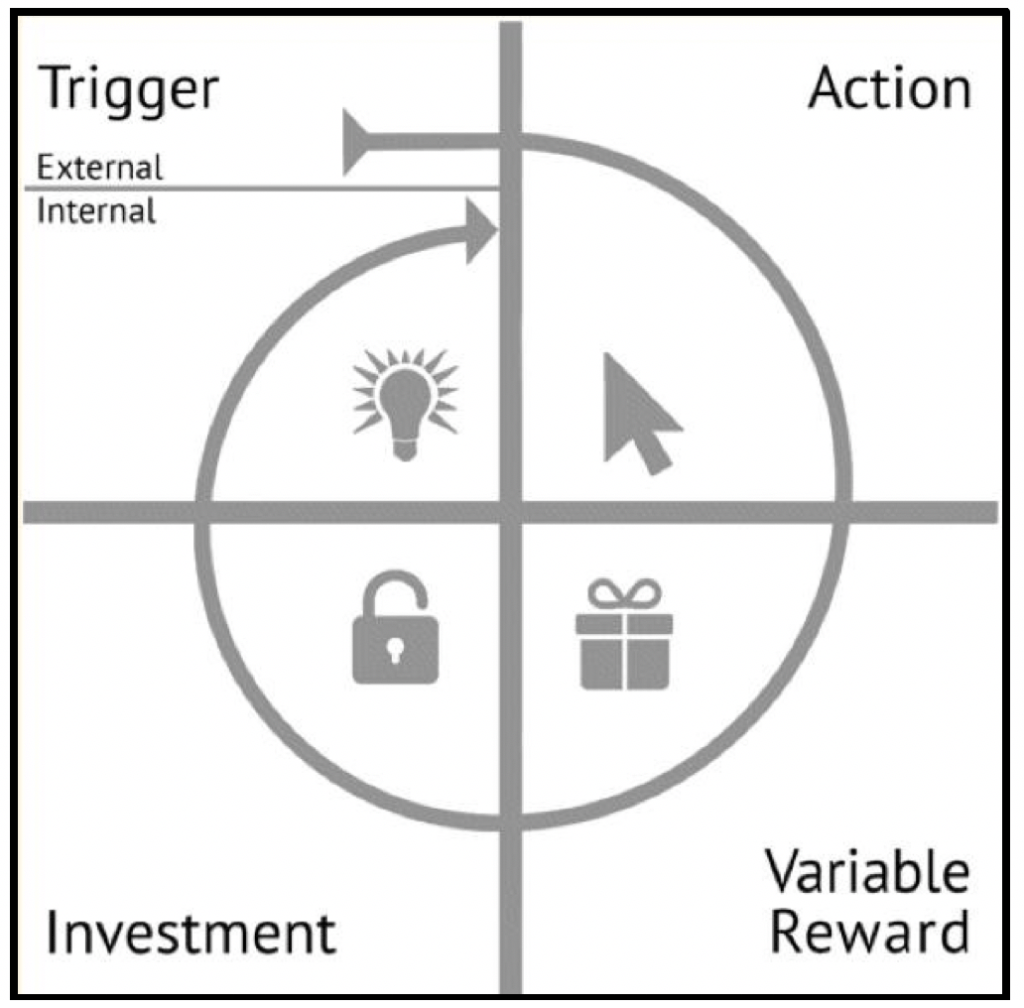
Trigger
Triggers are the first step of the hooked cycle and they can be external and internal.
External triggers are very common in design and product management, they que the user’s next action and informs them what to do next. They can be a clear call to action, pressing a button, clicking a link or even word of mouth from a friend. Products should always have a clear trigger present to initiate user’s actions.
Internal triggers, on the other hand, are less common but more powerful as they que the next action informed through an association in the user’s memory. Routine, situations and very frequently EMOTIONS dictate our habits, especially negative emotions like boredom, stress, saddens, dissatisfaction or anxiety.
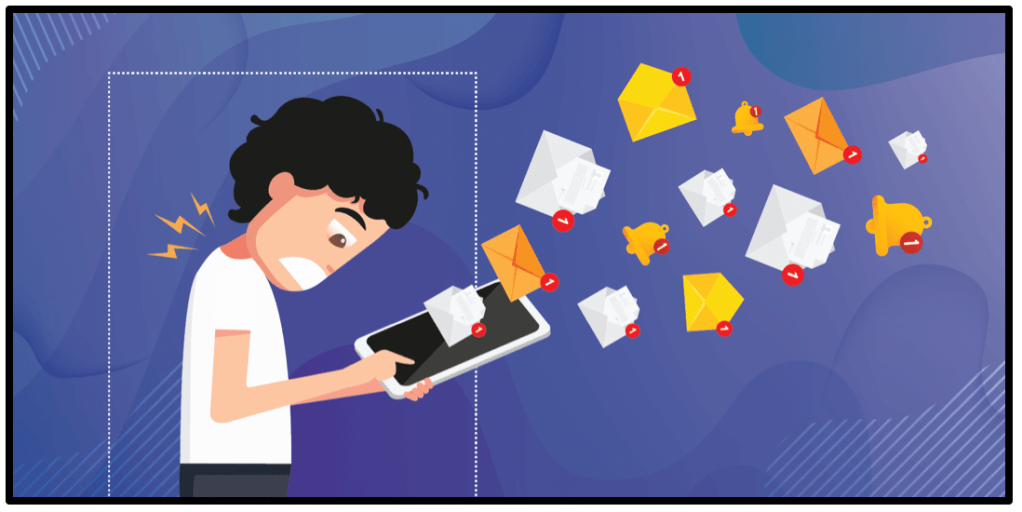
Negative emotions are powerful internal triggers because they our response to mitigate them dictate our habits. For example, a study references in the book found that clinical depressed people check their email far more, looking to alleviate a sense of loneliness or discomfort. Think of how many times you have checked Facebook when feeling lonely, Twitter when feeling bored or Instagram when you wanted to capture anything and avoid feeling FOMO (fear of missing out).
Action
Once the user’s is triggered and you have their attention the next step is to create the simplest behavior possible for them to complete in anticipation of a reward. Examples of actions are scrolling, clicking, searching, playing a game or watching a video.
For a user to complete an action two factors need to exist: Motivation and Ability.
Motivation is energy a person has to complete an action; basically, how much they want to do so something. Humans have the same factors that influence motivation as we all want to maximize:
- Pleasure vs Pain
- Hope vs Fear
- Acceptance vs Rejection.
Ability relates to the capacity a user has to complete a particular task. Hooked mentions six factors that make a behavior more or less likely to occur and that Product Managers should take into consideration. They are:
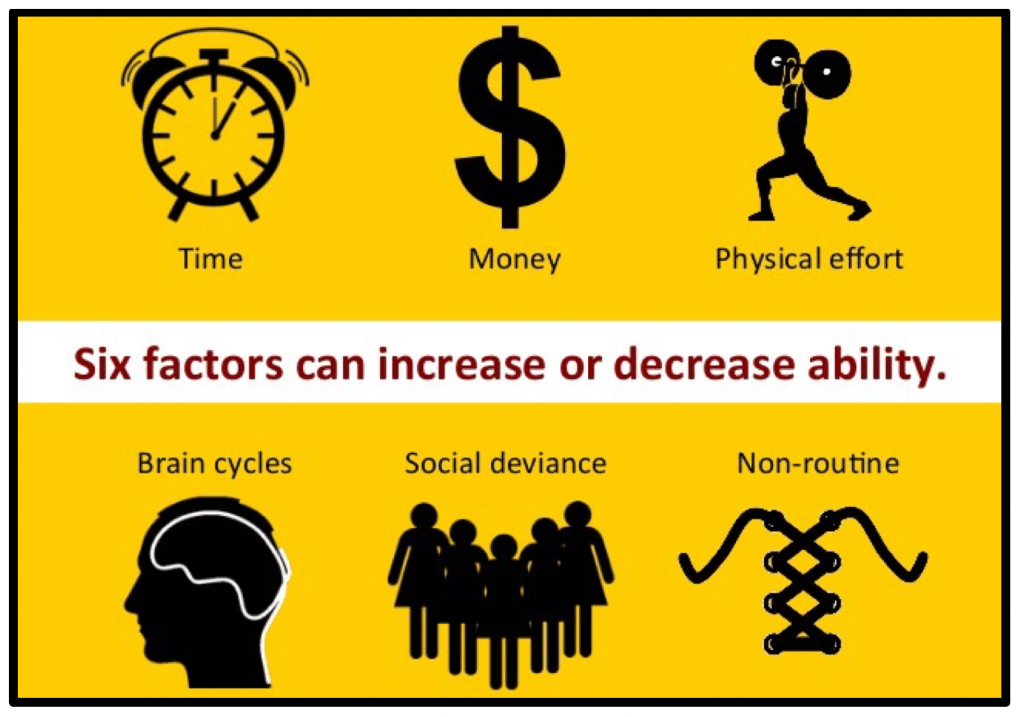
- Time it takes to complete the task (the longer the less likely to occur)
- Money it involves (cheaper has higher chance of happening)
- Physical effort (we are all a little lazy)
- Brain cycles (if it’s hard to understand then nobody will do it)
- Social deviance (as mentioned before we like to be accepted)
- Non-routine (practice makes perfect, the more we do the task the easier it becomes)
If your users are not completing a behavior you have designed for them to complete there is either a lack of motivation (they don’t want to do it) or lack of ability (they can’t for some reason).
Reward
Once the user’s action is completed, they are expecting a solution to their problem and this is done by rewarding them for their behavior. Anticipating a reward is the best way to activate the pleasure center of your brain, not the reward itself but the stress generated by craving and wanting. This is the reason variable rewards are so attractive and addictive to humans, and why leveraging their power increases user’s focus, engagement and ultimately become highly habit forming.
Variable rewards come in three forms, each constructed on different deep psychological conditions of our brain. The types of variable reward are:

- The Hunt: Is the search for food or resources, now the pursuit of money, goods or information. Examples are gambling but also the twitter feed that keeps us searching endlessly.
- The Tribe: Builds on our social self, looking for reward or reinforcements that bring us empathetic joy, partnerships, cooperation, competition, and status. The best example is social media, with the creation of a sense of community paired with high variability of what you will find, how many people will like your post or comment.
- The Self: Finally, there is the reward that is intrinsic and motivates us to be better, master a subject, become competent, consistent and acquire more control. Gamers (all about the accomplishment), clearing your inbox (feeling productive)
Investment
The last step of the hooked model is the most commonly neglected but is crucial to guarantee future engagements by user’s expecting potential rewards, not immediate gratification. Correctly using investments increase the likelihood for a next pass through the model and thus the creation of a habit.

Hooked references an experiment where researchers found that subjects valued an origami frog they created as much as one created by an origami expert. Getting the user to invest, setting themselves up for the next Trigger, storing value, and creating preference is what a well-designed product generate. Especially because contrary to physical products, in digital products more use is equivalent to more value.
For example, when a user creates an event on Google Calendar and set a reminder, they are setting up their next trigger. If an interested consumer visits your website and signs up for your email newsletter, they are setting themselves up for the next external trigger. Reputation is also a great form of investment, as user’s store social value on a product and that creates more future engagement. The more Twitter followers a user has the more likely they are to be engaged with the app and use it regularly. Finally, users strive to maintain consistency, among other things, because it helps them validate their actions. This is also a kind of Investment making similar future behavior more likely.
Ethical Considerations – The manipulation dilemma
Hooked provides the reader with a powerful framework that can be used in different ways. As Nir mentions in the book, no super-power is genuine if it can’t be used for good or evil, and the tools mentioned in this book have that type of power, the power to manipulate users. As referenced in Hooked digital products are becoming the cigarettes of this century, but Nir gives us an ethical framework to evaluate if we are using the psychology of habit design for good.
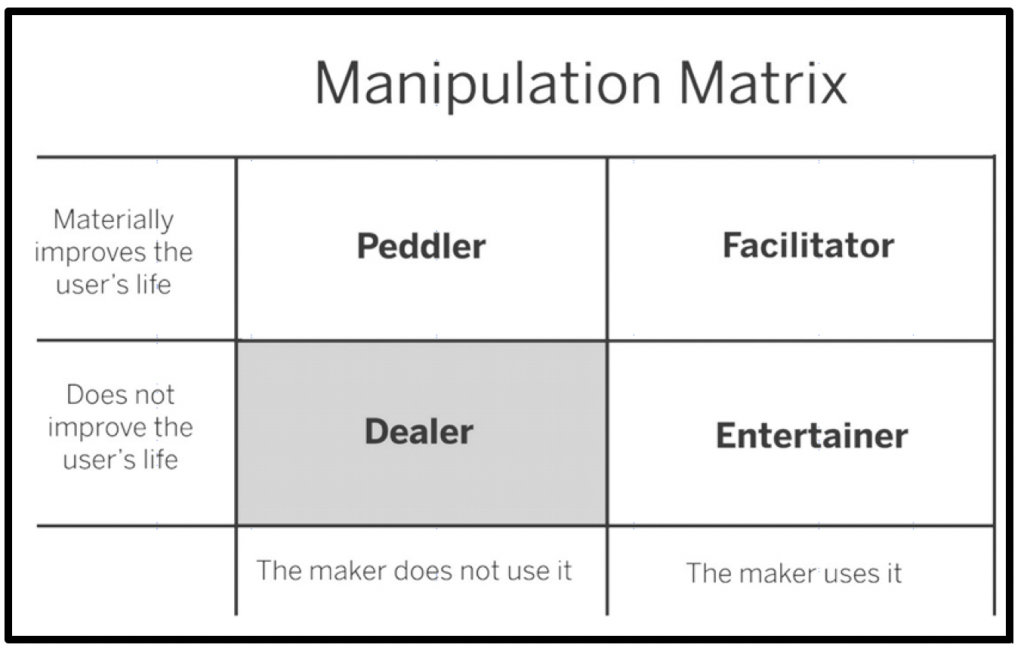
This matrix is a simple decision support tool for entrepreneurs, manager, and investors to evaluate the type of product owners they will be:
- Facilitators: Use their own product and believe it can materially improve people’s lives. They have the highest chance of success because they most closely understand the needs of the users.
- Peddlers: Believe their product can materially improve people’s lives but do not use it themselves. They must beware of the inauthenticity that comes from building solutions for people they do not understand firsthand.
- Entertainers: Use their product but do not believe it can improve people’s lives. They can be successful, but without making the lives of others better in some way, the entertainer’s products often lack staying power.
- Dealers: Neither use the product not believe it can improve people’s lives. They have the lowest chance of finding long-term success and often find themselves in morally precarious positions.
Follow My Blog
Get new content delivered directly to your inbox.
Did you like this Blog? Follow it by subscribing below
Get new content delivered directly to your inbox.
You are following this blog (manage).
About me

Business Consultant | Digital Strategy | Technology Management degree at Georgetown University
Currently deepening my technical skills and experience through a master’s degree in Technology Management at Georgetown University, bringing together digital knowledge that mixed with a business outlook will enable me to transform organizations in a continuously evolving landscape.
 Santiago's TechBlog